
Hydrogen Water vs Regular Water Explained
A glass of water will not replace sleep, protein, conditioning, or a recovery plan. But for people who treat health as a deliberate practice, the details of a daily hydration ritual can still matter. Hydrogen water vs regular water is less a question of which one hydrates you better and more a question of whether dissolved molecular hydrogen has a useful place in your performance and longevity routine.
Regular water remains the baseline. It is essential, accessible, and highly effective at supporting fluid balance. Hydrogen water begins with that same foundation, then adds dissolved hydrogen gas - H2 - for a potential biological effect that researchers are still working to define.
Hydrogen Water vs Regular Water: The Core Difference
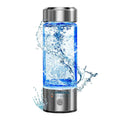
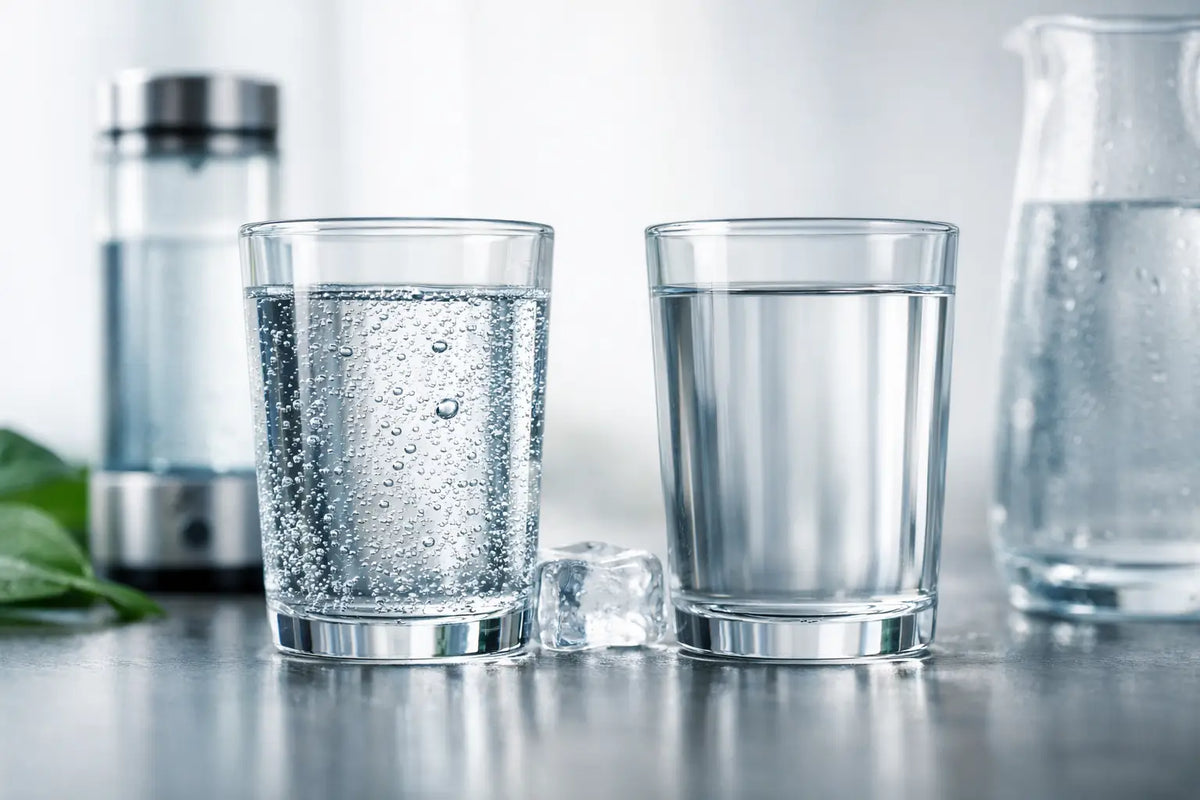
Regular drinking water is primarily H2O. Hydrogen water is regular water infused with molecular hydrogen gas, also written as H2. The hydrogen does not change the water into a new category of hydration. It is an added, dissolved gas, much like carbon dioxide can be dissolved in sparkling water.
This distinction matters because marketing around hydrogen water can become imprecise. The claim is not that hydrogen water contains more usable water, delivers superior electrolytes, or hydrates cells in a fundamentally different way. Unless electrolytes have been added separately, it is not an electrolyte drink. Its proposed value is the presence of molecular hydrogen and the way that molecule may interact with oxidative stress and cellular signaling pathways.
Molecular hydrogen is exceptionally small and nonpolar, qualities that may allow it to diffuse through tissues and cellular membranes. Early research suggests it may help modulate certain inflammatory and oxidative-stress processes. That framing is more accurate than calling it a universal antioxidant. The human body needs some oxidative signaling for training adaptation, immune function, and normal cellular communication. The goal is balance, not the elimination of every reactive molecule.
Does Hydrogen Water Hydrate Better?
For day-to-day hydration, both choices count toward fluid intake. If you drink an adequate amount of clean water, regular water does its primary job very well. There is no convincing evidence that hydrogen water makes you meaningfully more hydrated simply because it contains H2.
Hydration status is shaped by total fluid intake, sodium and other electrolytes, sweat losses, food intake, climate, exercise duration, and individual physiology. After a hard training session in heat, the more relevant question may be whether you need water plus electrolytes, carbohydrates, or both. Hydrogen water may fit alongside that strategy, but it is not a substitute for it.
The practical advantage can be behavioral. A dedicated bottle can create a clear cue: make hydrogen water, drink it promptly, and use the moment to reset between meetings, before training, or after a sauna session. Consistency often delivers more value than chasing a dramatic single intervention.
What the Research Actually Suggests
Interest in molecular hydrogen comes from a growing body of preclinical and small human studies. Researchers have examined its possible role in exercise recovery, perceived fatigue, metabolic markers, inflammation, and oxidative stress. Some findings are encouraging, particularly around markers associated with intense exercise and certain health conditions.
Still, encouraging is not the same as settled. Many human trials are small, short in duration, and use different hydrogen concentrations, delivery formats, participant groups, and outcome measures. A benefit observed in trained athletes over several weeks cannot automatically be applied to every healthy adult, nor does a change in a lab marker always translate to a noticeable improvement in energy or recovery.
That is the disciplined position: hydrogen water is a promising adjunct, not a cure or a shortcut. It may be worth testing if you already have the fundamentals in place and value a measured home wellness practice. It is less compelling if it becomes a distraction from underhydration, inconsistent sleep, excessive alcohol intake, poor nutrition, or inadequate recovery between sessions.
The concentration question
With hydrogen water, concentration and timing are central. Molecular hydrogen is volatile. Once water is exposed to air, dissolved hydrogen begins to dissipate. A bottle prepared in the morning and left uncapped through the afternoon may not deliver the same concentration as water consumed soon after production.
Concentration is commonly discussed in parts per million, or ppm, which is equivalent to milligrams per liter for water. Higher numbers are not automatically better, especially when test conditions are unclear. Look for transparent specifications and testing practices rather than relying on broad wellness language, oxidation-reduction potential readings, or a visible stream of bubbles. ORP can be influenced by multiple factors and is not, on its own, proof of dissolved hydrogen concentration.
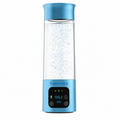
A well-designed hydrogen water bottle should make fresh preparation simple, support reliable output, and fit naturally into the hours when you will actually use it. For a premium home setup, function should feel quiet and repeatable, not technical for its own sake.
Where Hydrogen Water May Fit in a Recovery Routine
The strongest case for hydrogen water is not replacing ordinary hydration. It is using it intentionally within a broader system designed for performance, calm, and long-term capacity.
Many people prefer it first thing in the morning, before a training session, or after exercise. Morning use can be a clean ritual before coffee and the demands of the day. Pre-training use is often chosen by people interested in the research around exercise-related oxidative stress. Post-training use may fit a recovery window, especially when paired with sufficient fluids, protein, carbohydrates as needed, and a well-managed cooldown.
The right timing depends on the person and the routine. If you train fasted at 5:30 a.m., convenience may matter more than optimization theory. If you use an infrared sauna in the evening, ordinary water and electrolyte replacement should remain the priority because sweat loss is real. Hydrogen water can be part of that ritual, but no bottle can compensate for neglecting basic fluid and mineral intake.
At HALOR, hydrogen water makes the most sense as one modality within a considered home recovery environment. Cold exposure, infrared heat, red light, movement, nutrition, and sleep all place different demands on the body. A structured routine gives each tool a role instead of asking one tool to do everything.
Safety, Expectations, and Who Should Be Careful
For most healthy adults, molecular hydrogen in drinking water is generally considered low risk. It has been used in research settings with few reported adverse effects. Yet low risk does not mean every product or every health claim deserves automatic trust.
Choose drinking water that starts clean, and keep the device itself clean according to manufacturer guidance. If a hydrogen bottle uses electrolysis, its material quality, water compatibility, and maintenance requirements matter. Avoid improvising with salt or other additives unless the manufacturer explicitly instructs it. Water chemistry can affect device performance and may create outcomes the system was not designed to handle.
People who are pregnant, nursing, managing a medical condition, or taking medication should speak with a qualified clinician before making hydrogen water part of a health protocol. The same applies to anyone considering it as support for a diagnosed disease. Hydrogen water should never displace prescribed treatment, medically necessary hydration guidance, or evidence-based care.
Expectations deserve equal care. Some users report that the ritual helps them feel more refreshed or focused. Others notice little beyond the satisfaction of drinking more water consistently. Both experiences are plausible. Track what matters to you - daily water intake, training readiness, subjective recovery, sleep quality, or afternoon energy - and assess the pattern over several weeks rather than making a judgment after one bottle.
Choosing Between Hydrogen Water and Regular Water
Choose regular water when the priority is straightforward hydration. It is the right answer at your desk, with meals, while traveling, and during any day when simplicity wins. Add electrolytes when your sweat losses, training load, or clinician's advice indicate that they are needed.
Choose hydrogen water when you want to experiment with molecular hydrogen as part of an already solid routine and are willing to use it fresh and consistently. It is best viewed as a refined layer, not a foundational requirement. The value rises when the product is reliable enough to become automatic and falls when preparation becomes another source of friction.
A useful standard is simple: drink regular water generously, protect the fundamentals, and let hydrogen water earn its place through a routine you can sustain. The most effective wellness practice is rarely the most dramatic one. It is the one you return to, calmly and consistently, long after novelty fades.