

Infrared Sauna Safety Guide for Home Use
A home sauna should feel like a deliberate recovery ritual, not an endurance test. This infrared sauna safety guide is designed to help you use heat with better judgment: choosing an appropriate session length, respecting your body’s signals, and building a routine that supports performance without creating unnecessary strain.
Infrared heat is often perceived as gentler than a traditional sauna because the air temperature is typically lower. That does not make it consequence-free. Your core temperature can still rise, your heart rate can increase, and fluid loss can accumulate quickly. The goal is not to tolerate the most heat. It is to leave the session calm, clear, and recovered.
Start With a Conservative Heat Dose
For most healthy adults, 10 to 20 minutes at a moderate setting is a sensible starting point. Many infrared saunas operate roughly between 110°F and 150°F, though the right temperature depends on the unit, your heat tolerance, room conditions, and what happened before your session.
If you are new to infrared heat, begin around 110°F to 125°F for 10 to 15 minutes. Repeat that exposure a few times before increasing either temperature or duration. A gradual approach gives you useful feedback about sleep, hydration, recovery, and next-day energy. It also prevents the common mistake of treating heat exposure as a test of discipline.
More is not always better. A 20-minute session that leaves you restored is generally more productive than 40 minutes that disrupts your sleep, creates a lingering headache, or leaves you depleted for training the next day. Heat is a stressor. Its value comes from the body’s response and recovery, not from maximal discomfort.
Consider the context of your day
Your safest session length changes with the rest of your routine. A brief infrared sauna session after a strength workout may feel excellent when you have eaten, hydrated, and cooled down. The same session after a long run in summer, a night of poor sleep, or several drinks may be too much.
Be especially conservative after intense exercise. Let your heart rate settle, replace fluids, and avoid entering the sauna while you still feel overheated or lightheaded. If training was long, high-volume, or performed in hot conditions, recovery may call for food, hydration, and rest before additional heat.
Hydration Is Part of the Protocol
Sweating is expected in an infrared sauna, but visible sweat is not a scorecard. Some people sweat early and heavily; others need more time. The practical concern is fluid loss and how it affects blood volume, circulation, and comfort.
Arrive hydrated. Pale-yellow urine is a useful, imperfect sign that your fluid intake is likely adequate. Drink water in the hours leading up to a session rather than trying to correct a full day of low intake with a large bottle immediately beforehand. Drinking too much too quickly can be uncomfortable and does not guarantee appropriate hydration.
Afterward, replenish fluids according to how much you sweated and the demands of your day. Water is sufficient for many moderate sessions. An electrolyte drink or electrolyte-rich food may make more sense after prolonged sweating, hard exercise, or repeated heat exposure. If you follow a physician-directed fluid or sodium restriction, that guidance takes priority over any general sauna protocol.
Avoid alcohol before or during a sauna session. Alcohol can impair judgment, promote dehydration, and increase the likelihood of dizziness or fainting. It is also wise to avoid using a sauna when you are ill, vomiting, have diarrhea, or are otherwise unable to maintain normal hydration.
Know When to End the Session
A refined heat practice requires a clear exit rule. Do not wait for severe symptoms. Step out promptly if you feel dizzy, faint, nauseated, confused, weak, unusually short of breath, or experience chest pain, palpitations, or a headache that is building rather than easing.
Feeling warm, relaxed, and mildly fatigued can be normal. Feeling unstable is not. Sit down before standing if you feel lightheaded, and rise slowly when leaving the sauna. Blood vessels widen with heat exposure, and a sudden change in position can make a brief drop in blood pressure more noticeable.
Once outside, cool down gradually in a comfortable environment. Drink fluids, rest, and allow your breathing and heart rate to normalize. A cool shower can feel restorative, but an aggressive cold plunge immediately after significant heat exposure is not mandatory and may not suit everyone. If you enjoy contrast therapy, use shorter, conservative exposures and assess how your body responds rather than forcing an extreme transition.
Never sauna alone if you have elevated risk
For a healthy, experienced user, a home infrared sauna can be a private and consistent ritual. But if you have a medical condition that raises your risk of fainting, arrhythmia, or heat intolerance, having another person nearby is a sensible precaution. Never lock the sauna door, and keep your phone accessible outside the unit or within reach if your manufacturer’s instructions allow it safely.
Medical Considerations That Deserve a Conversation
An infrared sauna is not appropriate for every person or every season of life. Speak with a qualified clinician before using one if you have cardiovascular disease, uncontrolled high or low blood pressure, a history of fainting, kidney disease, seizure disorders, diabetes with impaired sensation, autonomic dysfunction, or any condition that affects sweating or temperature regulation.
Medication matters as well. Some prescriptions can alter blood pressure, hydration status, alertness, or your ability to sweat and regulate temperature. This can include certain diuretics, blood pressure medications, stimulants, sedatives, antihistamines, and psychiatric medications, among others. Do not stop a prescribed medication for sauna use. Ask your prescribing clinician how heat exposure fits your situation.
Pregnancy is another reason to seek individualized medical guidance before sauna use. The same applies if you have recently had surgery, are recovering from an acute illness, or have open wounds or a skin condition that is aggravated by heat.
If you have an implanted medical device, such as a pacemaker or defibrillator, consult both your clinician and the device manufacturer before using infrared heat. The concern is not just temperature. It is ensuring your specific device and health history are compatible with the environment.
Set Up the Space for Safe, Repeatable Use
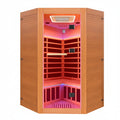
Premium recovery equipment earns its place at home when it supports a routine you can repeat with confidence. That begins with correct installation and basic operating discipline. Follow the manufacturer’s clearance, electrical, ventilation, and surface requirements. A dedicated, properly rated outlet and professional installation can reduce avoidable risks, particularly with larger residential units.
Keep the area outside the sauna dry and free of loose towels, cords, or anything that could create a slip hazard. Use a clean towel on the bench for comfort and hygiene, but do not cover heaters, vents, controls, or sensors. Avoid placing water containers where they can spill onto electrical components.
Choose breathable, minimal clothing or use a towel, based on your comfort and the sauna’s instructions. Remove jewelry that may become uncomfortably hot. Skip oils, lotions, and topical products that could irritate your skin when heated or leave residue on interior surfaces.
A consistent setup also improves the quality of the ritual. Have water ready, set a timer, and give yourself a quiet recovery window afterward. There is no advantage in rushing from intense heat straight into a demanding meeting, commute, or workout.
A Simple Infrared Sauna Safety Guide for Weekly Use
For many healthy adults, two to four sessions per week is a practical place to begin. Use moderate heat, remain in the sauna for 10 to 20 minutes, and adjust only one variable at a time: temperature, duration, or frequency. This makes it easier to identify what genuinely improves your recovery.
Experienced users may choose longer or warmer sessions, but progression should be earned through comfort and consistency. Track a few relevant signals: sleep quality, resting heart rate, training readiness, headaches, and how you feel in the hour after leaving the sauna. A disciplined practice responds to data from your own body, not just a generic protocol.
Avoid stacking multiple high-stress modalities without a reason. A hard workout, extended fast, alcohol, inadequate sleep, cold exposure, and a long sauna session can each place demands on the cardiovascular and nervous systems. Any one of them may be manageable. Together, they can turn a restorative evening into an unnecessary recovery burden.
The most valuable home heat routine is rarely the most dramatic one. It is the one you can return to with steadiness: hydrated, present, and aware of the point where recovery has done its work.