
How to Stack Recovery Modalities at Home
A hard training session can leave you tight, flat, and mentally overstimulated at the same time. The answer is not to add every recovery tool to your evening. Knowing how to stack recovery modalities means assigning each practice a purpose, respecting timing, and building a routine you can repeat without turning recovery into another source of stress.
At home, the most effective stack is rarely the most extreme. It is the one that supports your training load, sleep, circulation, hydration, and capacity to show up well tomorrow. Cold exposure, infrared heat, red light therapy, and hydration can work together elegantly when their order reflects the outcome you want.
Start With the Recovery Outcome
Recovery is not one thing. After strength training, you may prioritize muscular adaptation and tissue comfort. After a long run, game, or endurance session, you may want to reduce the feeling of heat, soreness, and fatigue. On a high-stress workday, the goal may be nervous-system downshifting rather than athletic recovery at all.
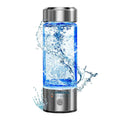
This distinction matters because modalities can produce different signals in the body. Heat increases circulation and creates a pronounced relaxation response for many people. Cold creates an acute stressor that may leave you alert and resilient, but its immediate use after resistance training may not be the best choice when maximizing muscle-building adaptations is the priority. Red light therapy is often used as a low-disruption addition to a recovery routine, while consistent hydration supports nearly every system involved in performance.
Before you schedule a single session, define the day in front of you. Are you preparing to perform, recovering from endurance work, supporting strength gains, or settling down for sleep? One clear objective prevents the common mistake of treating every modality as mandatory.
How to Stack Recovery Modalities by Timing
The simplest framework is to use modalities in one of three windows: pre-training, post-training, and evening. Not every window requires every tool.
Before training: prepare without draining yourself
If movement feels restricted or you are training early, gentle infrared heat can be useful before a warm-up. Keep it measured. A short session followed by water, electrolytes if appropriate, and a progressive warm-up may help you arrive at training feeling more mobile and prepared.
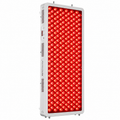
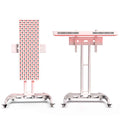
Red light therapy can also fit naturally before training for people who prefer a quiet, focused ritual. Avoid treating it as a substitute for mobility work, sleep, nutrition, or proper loading. It is a complementary layer, not the foundation.
Cold exposure is usually better reserved for a separate time if your goal is power output or a full training session. Some people find cold invigorating in the morning, but the immediate sensation of alertness is not the same as being physically ready to lift, sprint, or compete. Test its effect on your own performance rather than assuming more intensity creates a better result.
After training: match the stack to the session
After endurance training, field sport, high-volume conditioning, or an unusually demanding day, a cold plunge may be a practical option. A brief cold session can feel restorative and may help some athletes manage perceived soreness and readiness between closely spaced events. Follow it with deliberate rehydration, a meal with adequate protein and carbohydrates, and a return to normal body temperature.
After strength training, the equation changes. If hypertrophy and strength adaptation are your primary goals, consider separating intense cold exposure from lifting by several hours, or using it on non-lifting days. Acute cold may be valuable when you need to feel ready for another event, but frequent immediate post-lift plunges can be a trade-off when long-term adaptation is the priority.
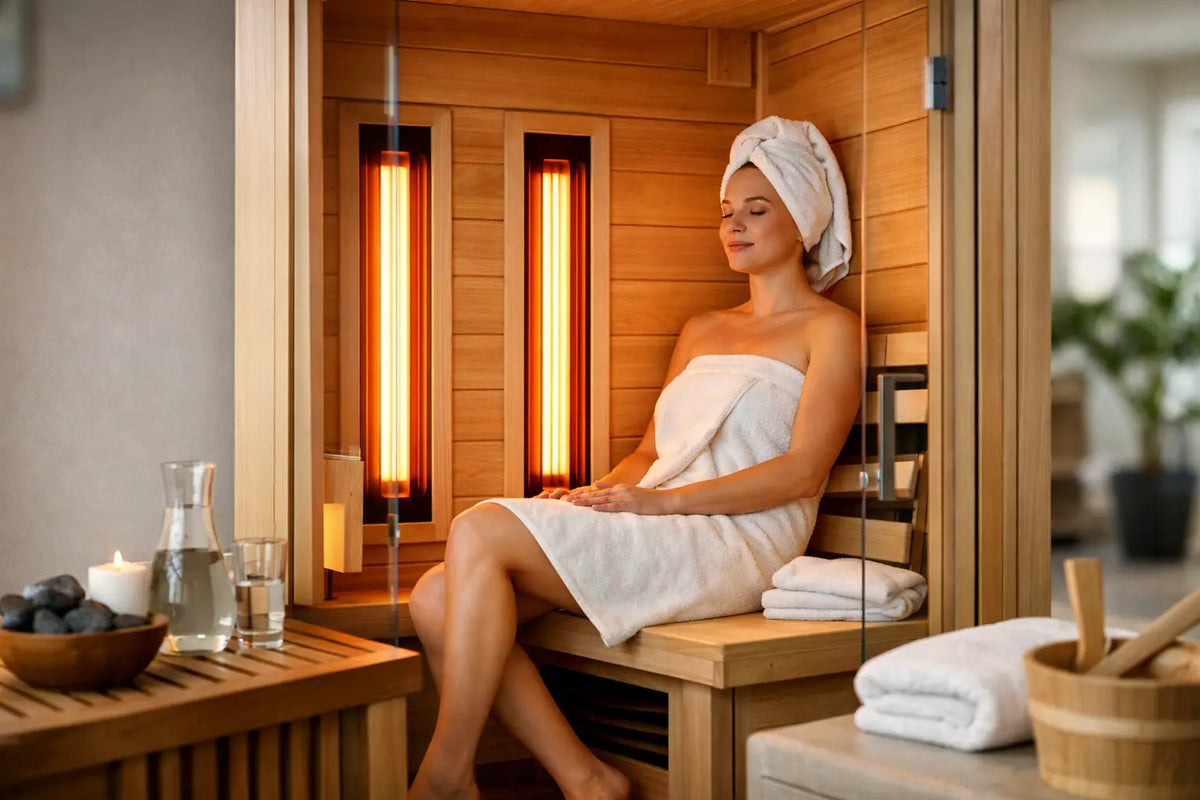
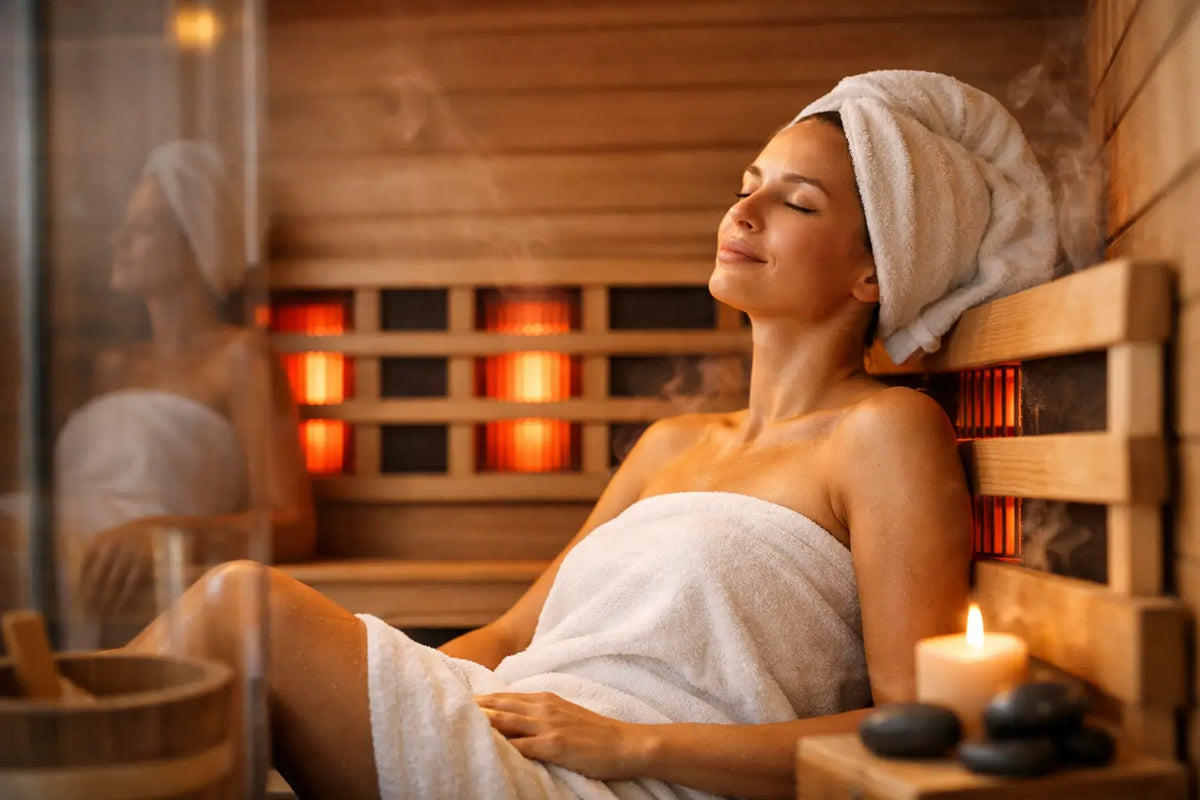
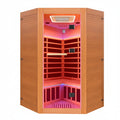
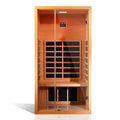
Infrared sauna is often a more natural post-training choice when the goal is calm, warmth, and a transition out of performance mode. Use a temperature and duration that leave you refreshed, not depleted. Replenish fluids and sodium based on your sweat rate, environment, and medical guidance. Feeling lightheaded is not a sign of a productive session. It is a cue to stop, cool down, and hydrate.
Evening: shift from output to restoration
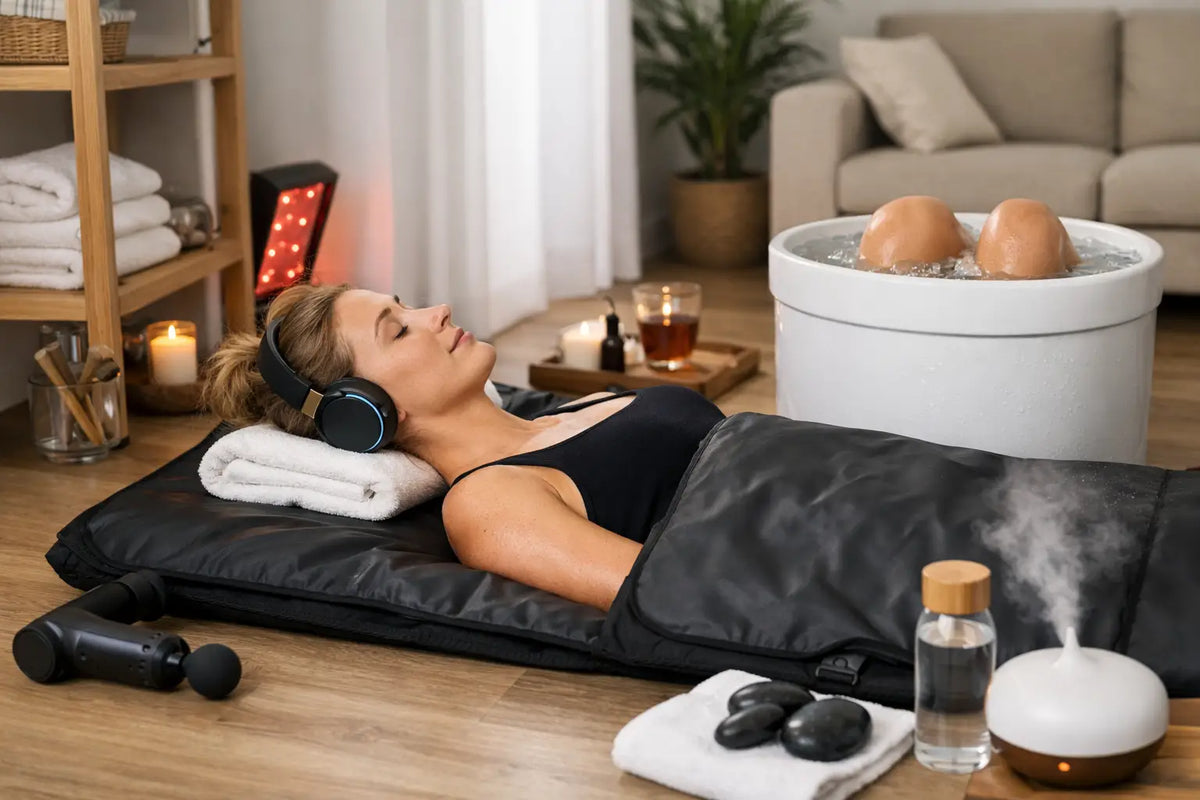
The evening stack should feel quieter. Red light therapy, followed by a warm infrared session earlier in the evening, can create a deliberate boundary between a demanding day and sleep. Allow enough time after heat exposure to cool down, shower if desired, and settle before bed.
For many people, a late cold plunge is less predictable. It may feel clarifying, but it can also be stimulating. If cold leaves you energized, place it in the morning or afternoon instead. Recovery is personal, and your sleep response is one of the most valuable metrics you have.
A Practical Home Recovery Stack
A premium home setup gives you flexibility, but flexibility needs structure. Rather than trying to complete a four-part circuit every day, rotate modalities around your weekly training and life demands.
A strength-focused week might use red light therapy several times per week, infrared heat on evenings when relaxation and mobility are the priority, and cold exposure on rest days or well away from lifting sessions. A runner preparing for a race may use cold more strategically after difficult sessions or competition, while keeping heat sessions measured enough that they do not add fatigue.
Here is a simple model for a demanding but sustainable week:
- On strength days, train, eat, hydrate, and use red light or infrared heat later if it supports relaxation. Save cold for another window when muscle adaptation is not the central goal.
- On conditioning or high-impact days, use a brief cold session if it improves how you feel and helps you prepare for the next session. Restore fluids and fuel afterward.
- On rest days, pair a controlled infrared sauna session with hydration and light movement. This is an ideal time for a longer, unhurried recovery ritual.
- On high-stress days, choose one modality. A short red light session or infrared heat ritual can be more useful than forcing an aggressive stack your body does not need.
Build Around the Non-Negotiables
No recovery stack can compensate for chronic sleep restriction, under-fueling, excessive alcohol intake, or a training plan that outpaces your capacity. Equipment should make a disciplined routine easier to maintain, not create the illusion that recovery can be purchased independently of behavior.
Start with sleep consistency. Then establish protein intake, total calories appropriate to your goals, hydration, daily movement, and intelligently programmed training. Once these are steady, home modalities become high-value tools because they are available when you actually need them. The advantage is not novelty. It is repeatability.
Track a few simple signals for four weeks: sleep quality, morning energy, training performance, soreness, mood, and the desire to train. If a modality leaves you sleeping poorly, unusually fatigued, or less motivated to move, adjust its timing, duration, or frequency. This is a more useful measure than chasing a perfect protocol from someone with a different training history and physiology.
Use Sensible Safety Boundaries
Heat and cold are powerful interventions, not casual dares. Avoid stacking them aggressively when dehydrated, ill, sleep-deprived, or after alcohol. Begin with conservative exposure, especially with cold, and avoid breath-holding practices in or near water.
People with cardiovascular conditions, uncontrolled blood pressure, pregnancy, neuropathy, Raynaud's phenomenon, certain skin sensitivities, or other medical concerns should speak with a qualified clinician before beginning heat or cold exposure. The same applies if you take medications that affect blood pressure, hydration, or temperature regulation.
A well-designed home recovery environment should feel calm and controlled. Clear access, stable flooring, straightforward maintenance, and equipment that fits your daily rhythm matter as much as the specifications. This is why HALOR approaches recovery as an integrated home practice rather than a collection of isolated devices.
The best stack is the one that gives your body a clear message: the work is complete, resources are available, and it is safe to adapt. Choose the modality that serves today’s objective, keep the dose deliberate, and let consistency do the deeper work.