
How to Choose a Red Light Panel for Home Use
A red light panel can become one of the most consistent tools in a home recovery practice - or an expensive fixture that sees little use. The difference usually comes down to fit: how to choose red light panel specifications that match your body, space, routine, and expectations rather than simply chasing the biggest spec sheet.
For serious home use, the right panel should make treatment feel deliberate and easy to repeat. It needs enough coverage to serve your goals, enough output to be efficient, and enough thoughtful design to earn a permanent place in your routine.
How to Choose a Red Light Panel: Start With Your Use Case
Before comparing wavelengths or irradiance, decide what you want the panel to do most often. A compact unit may be appropriate for facial skin support, a localized joint, or a desk-side recovery ritual. A larger panel makes more sense for post-training muscle recovery, full-torso sessions, or a whole-body protocol that does not require constant repositioning.
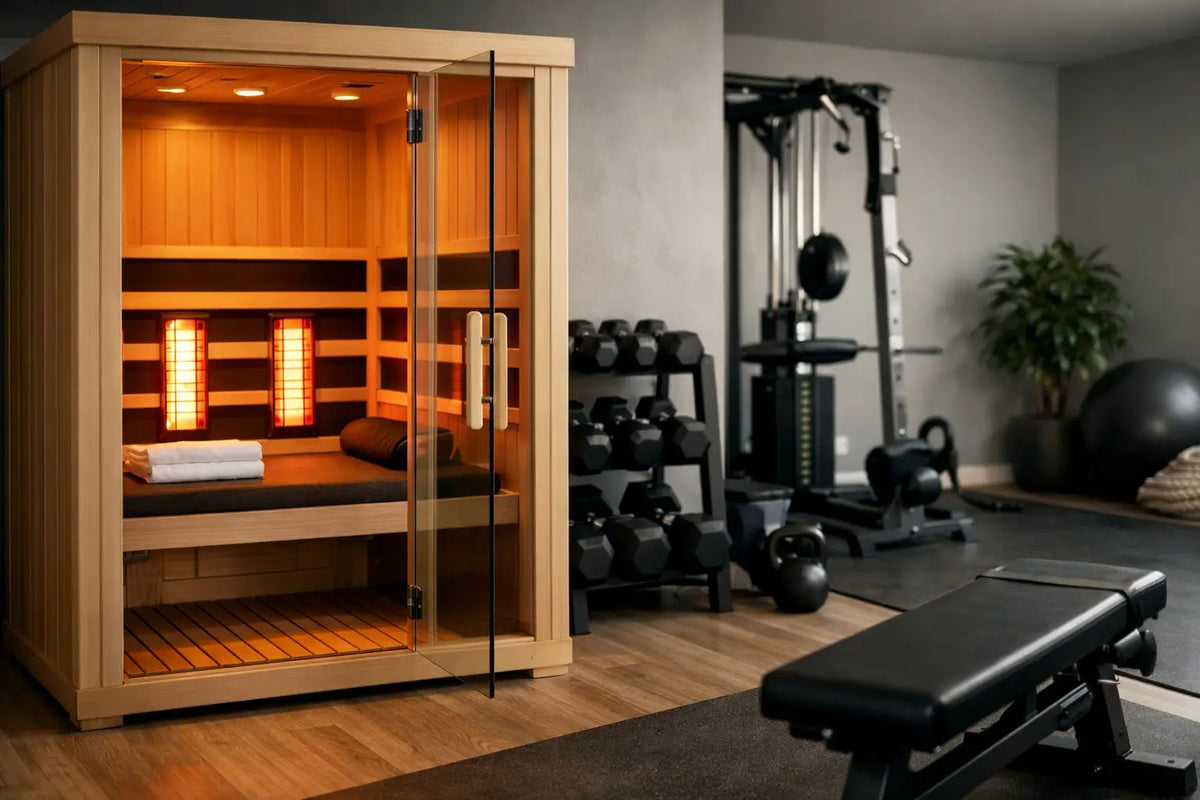
Coverage is not just a convenience feature. It affects whether you will use the device consistently. Treating your back, legs, and shoulders with a small panel can work, but it demands more time and more session planning. A larger panel reduces those friction points, which matters when red light therapy is part of an already disciplined schedule that may include strength training, cold exposure, sauna, and sleep-focused recovery.
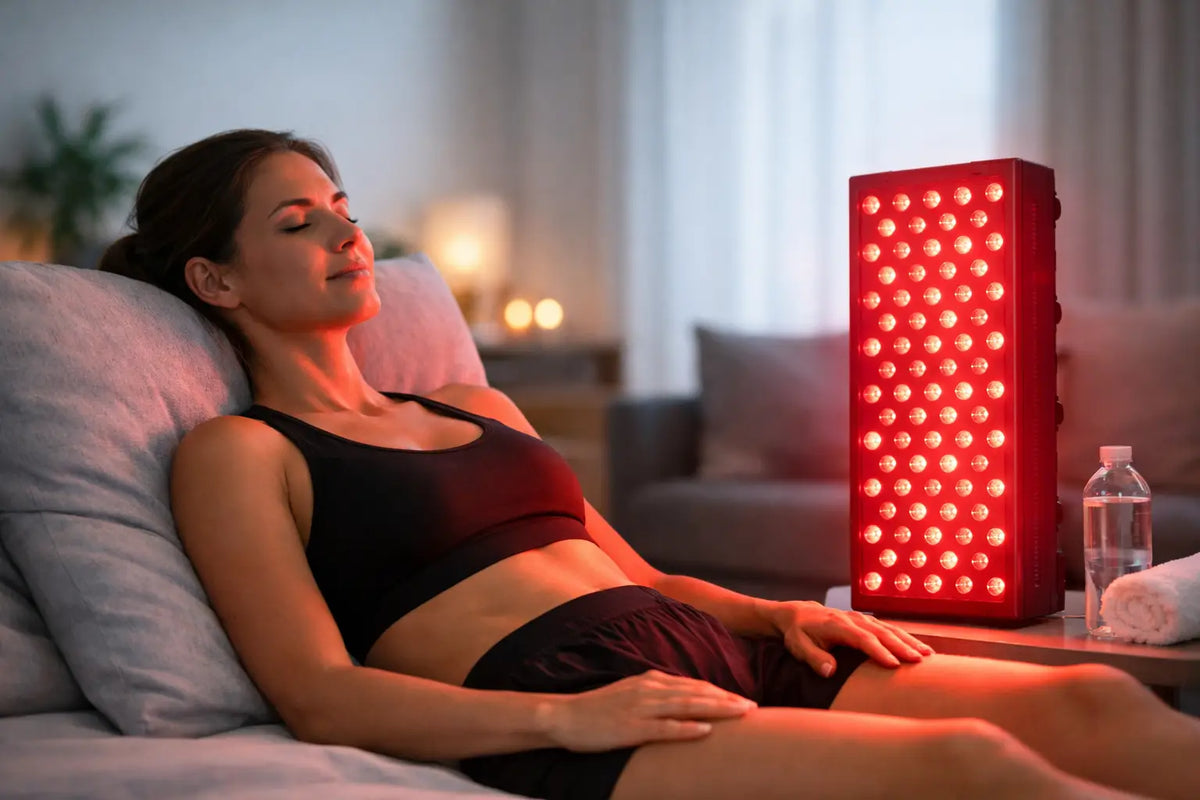
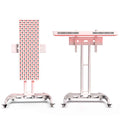
Think about where the panel will live. A panel intended for a bedroom, gym, or dedicated wellness room can be larger and paired with a stand. In a tighter space, a smaller wall-mounted option may integrate more naturally. The best configuration is one that feels calm and accessible, not cumbersome enough to become another item waiting for a free weekend.
Look for the Wavelengths That Serve Your Goals
Most quality red light panels use red light and near-infrared light. While they are often discussed together, they serve different practical purposes.
Red wavelengths, commonly around 630 to 660 nanometers, are visible to the eye and are generally selected for surface-level applications, including skin-focused routines. Near-infrared wavelengths, often around 810 to 850 nanometers, are invisible and are commonly used when the goal is to support deeper tissue such as muscles and joints.
A panel that combines both offers greater flexibility for a home wellness environment. That does not mean more wavelengths always equal a better panel. Some brands present a long list of wavelengths as a marker of sophistication, but the more meaningful questions are whether the chosen wavelengths are purposeful, how they are delivered, and whether the panel provides clear control over them.
Independent control of red and near-infrared channels can be valuable. You may prefer a visible red-light session for a facial routine, then use a combined session after a demanding lower-body workout. This degree of control makes a single piece of equipment more adaptable over time.
Irradiance Matters More Than Marketing Language
Irradiance describes the amount of light power reaching a given area, usually expressed in milliwatts per square centimeter. It is one of the most important specifications to evaluate because it helps determine how long a session may need to be.
Higher irradiance can shorten treatment time, particularly when you are standing at a practical distance from a large panel. But maximum output alone is not the goal. Extremely high intensity may not be necessary for every use case, and more power is not automatically better if it comes with poor heat management, uneven coverage, or unclear dosing guidance.
Look for irradiance measurements reported at a stated distance, such as 6 or 12 inches from the panel. A number without a distance is difficult to interpret. It is also worth asking whether the measurement refers to total combined output or a single wavelength channel. Transparent brands explain how their numbers were obtained and give useful session recommendations instead of making you reverse-engineer the device.
Dose is shaped by output, distance, and time. If you stand farther away, more of your body may be covered, but the light reaching your tissue will be less intense. If you stand closer, intensity rises but coverage narrows. A well-designed panel gives you enough power and enough adjustability to work within this trade-off without turning every session into a calculation.
Prioritize Even Coverage Over Peak Numbers
The center of a panel often produces its highest output. What matters in real use is whether the light remains reasonably consistent across the treatment area. Uneven coverage can leave you shifting your body repeatedly to reach the shoulders, hips, legs, or back.
Panel size, LED spacing, beam angle, and optical design all influence coverage. A broader beam angle can create a more forgiving treatment zone, while a narrower beam may concentrate output more intensely at close range. Neither is universally superior. For full-body recovery, broad and even coverage is often the more practical choice. For a targeted protocol, a concentrated setup may be useful.
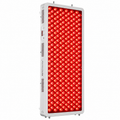
Consider the panel's shape as well. A tall vertical panel is typically easier for standing full-body sessions. A horizontal or modular setup may be better suited to a treatment table, a stretching area, or a recovery room designed around multiple modalities.
Choose Controls You Will Actually Use
Premium equipment should reduce mental friction. At a minimum, look for a built-in timer and clearly labeled controls. Separate red and near-infrared settings, adjustable intensity, and a reliable remote can make the difference between a panel that supports your routine and one that feels overly technical.
Dimming is especially useful in a shared household or an evening setting. Red light is visible and bright, and some people prefer a lower visual intensity while still using near-infrared output. Adjustable settings also let you begin conservatively, then refine your approach based on comfort and goals.
Avoid treating app connectivity as a deciding factor unless it genuinely supports your behavior. An app can be useful for reminders or saved protocols, but physical controls and straightforward operation are more valuable when you want to step into a session without opening another screen.
Safety, Build Quality, and Home Integration
A red light panel is electrical equipment that will be used close to your body, often several times each week. Its construction deserves serious consideration. Look for a substantial housing, stable mounting hardware, appropriate cooling, and a stand or door system designed to support the panel's weight securely.
Cooling fans are normal in higher-output panels, but noise level matters. A recovery practice should support stillness, especially if you use the panel in the early morning or before bed. Review whether the device has a fan, how audible it is, and whether its design allows for comfortable use in your intended room.
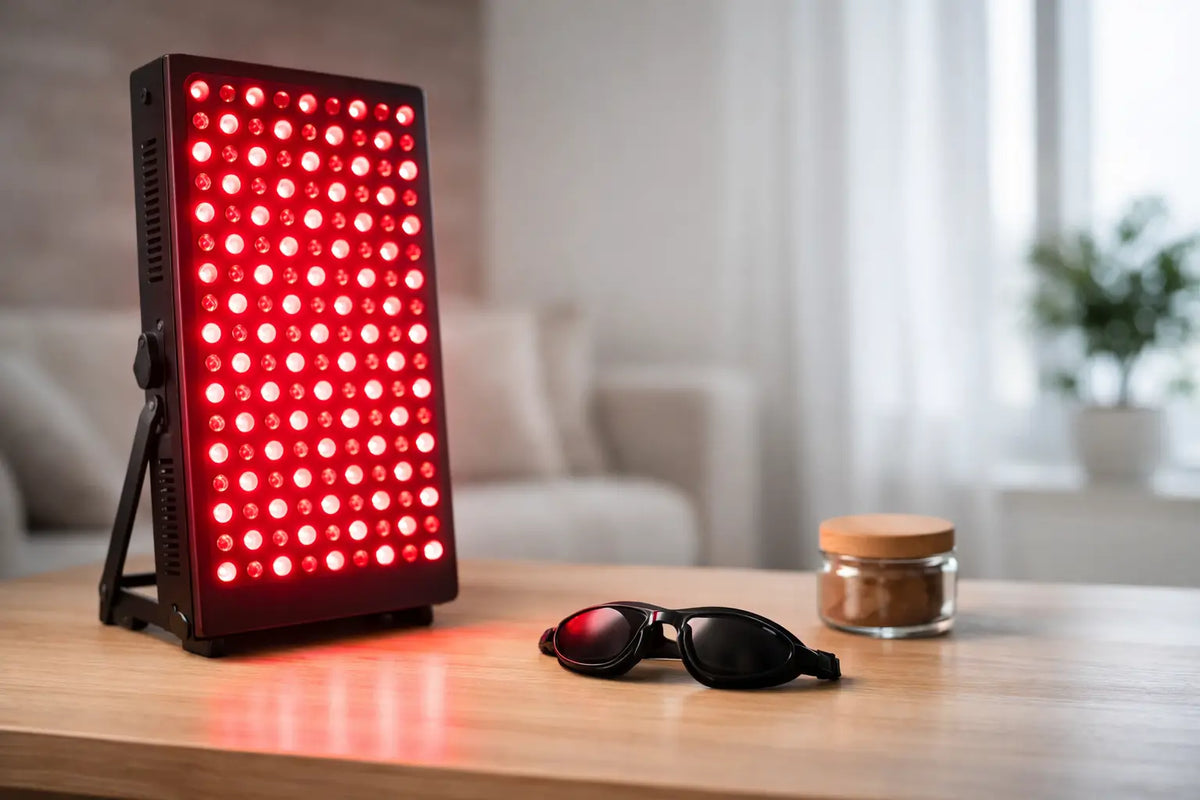
Eye protection is another practical consideration. Visible red light can feel intense, particularly at close range. Many people use protective eyewear during sessions, while others may use a panel with eyes closed and at a suitable distance. Follow the manufacturer's instructions, and consult a qualified clinician before use if you have an eye condition, use photosensitizing medications, are pregnant, or are managing a medical condition.
Also assess the ownership experience. For a high-ticket panel, warranty terms, responsive customer support, home trial policies, financing, and delivery options are not minor details. They are part of the product. A heavy, premium panel should arrive safely, install cleanly, and be supported by a team that can answer practical questions after purchase.
Do Not Buy for Claims You Cannot Measure
Red light therapy is often discussed in broad terms, from recovery and skin appearance to energy and long-term vitality. It can be a valuable part of a thoughtful wellness practice, but it is not a substitute for medical care, sleep, nutrition, movement, or a well-structured training plan.
Choose a panel based on the outcomes you can observe and the habits you can sustain. You might track post-training soreness, consistency with your evening routine, perceived skin quality, or how easily you return to training. Give any protocol time. A few sessions rarely tell the full story.
The right panel is not necessarily the one with the longest feature list. It is the one that brings clinical-minded performance into the rhythm of your home, with enough power, coverage, control, and design integrity to make the practice feel worth repeating. Place it where you can see it, build a simple cadence around it, and let consistency do the work.