
How to Use Hydrogen Water for Daily Recovery
A hydrogen water routine is most useful when it removes friction from your day. The question of how to use hydrogen water is less about chasing a complicated protocol and more about preparing it correctly, drinking it while its dissolved hydrogen is fresh, and fitting it into the moments when you already prioritize hydration and recovery.
Hydrogen water is regular drinking water infused with molecular hydrogen gas, often written as H2. Interest in the modality centers on hydrogen's potential antioxidant and anti-inflammatory activity, though human research is still developing and outcomes vary by population, dose, and study design. Treat it as a considered addition to a well-built recovery practice, not a substitute for sleep, nutrition, movement, or medical care.
How to Use Hydrogen Water: The Core Routine
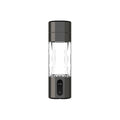
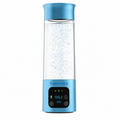
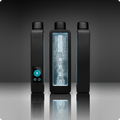
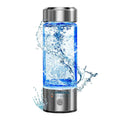
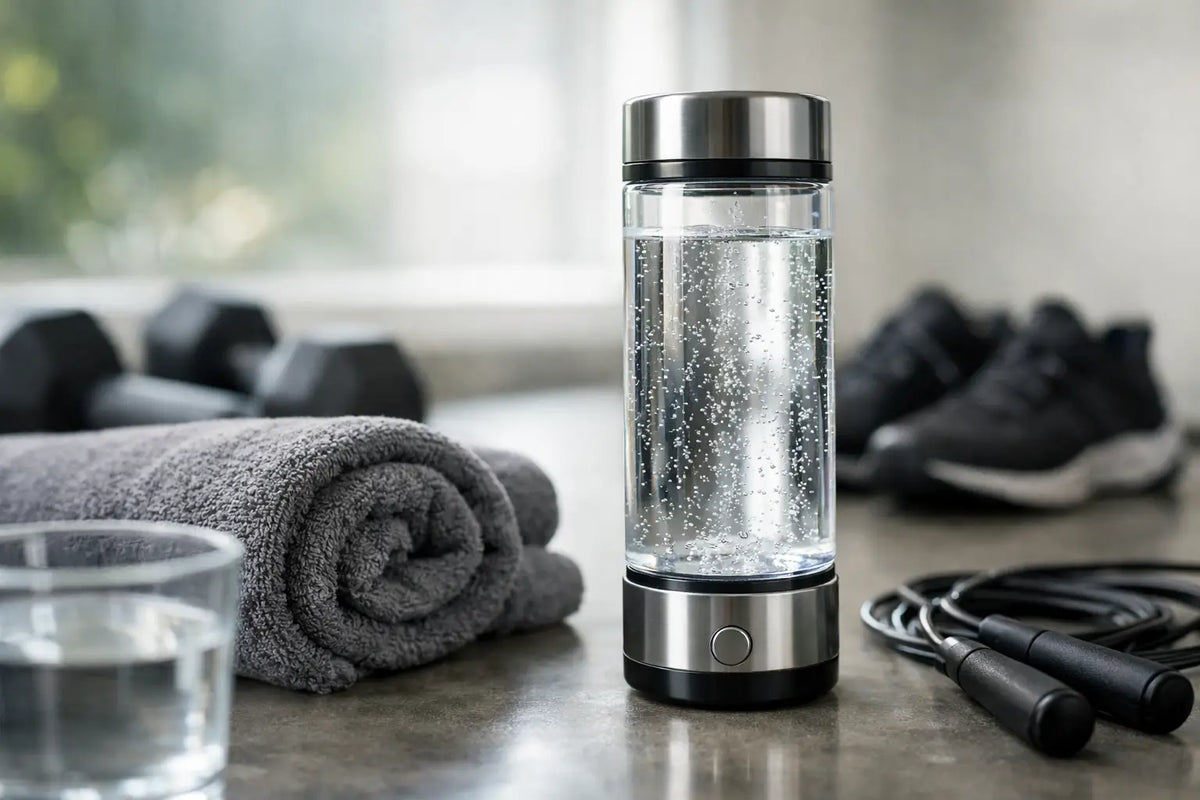
For most people, the best place to start is one freshly prepared bottle per day. Fill a compatible hydrogen water bottle with clean, cool drinking water, run its hydrogen-generation cycle according to the manufacturer’s instructions, then drink it soon after the cycle finishes.
Freshness matters because molecular hydrogen is a small gas molecule that gradually escapes from water, particularly once the vessel is opened. A bottle engineered to generate hydrogen in a sealed chamber helps preserve it better than an open glass or a container you leave sitting on the counter. Preparing a bottle in the morning and saving it for late afternoon is generally not the same experience as drinking it promptly.
Start with a consistent daily practice for two to four weeks before deciding whether it earns a permanent place in your routine. Consistency gives you a clearer read on practical outcomes such as hydration habits, how you feel after training, and whether the ritual supports a calmer, more deliberate recovery cadence.
Choose water your device is designed to handle
Use the water type specified in your bottle’s care guide. For many hydrogen-generating bottles, filtered tap water or still bottled water is appropriate. Extremely mineral-heavy water, salt water, sparkling water, hot water, flavored drinks, and powders may damage components, interfere with performance, or create cleaning issues. The right answer depends on the device, so its instructions take priority over general advice.
Cool or room-temperature water is usually the cleanest choice. It is easy to drink, compatible with most systems, and keeps the ritual simple. If your local water has a strong taste or high mineral content, a quality filtration system can make daily use more pleasant while helping you follow your device’s maintenance recommendations.
Drink it promptly, not perfectly
You do not need to sip hydrogen water in a precisely timed window. The practical standard is straightforward: drink it after preparation, ideally within minutes rather than hours. Keep the lid closed until you are ready, and avoid repeatedly opening the bottle and leaving it exposed.
If you prepare more than one serving, create each serving close to when you intend to drink it. This preserves the central advantage of a hydrogen bottle: fresh hydrogen water, made at home, without a cabinet full of single-use cans or packets.
When to Drink Hydrogen Water
Timing is secondary to consistency, but certain anchors work well for a performance-oriented schedule. Morning is a natural fit. Prepare a bottle after waking, alongside your first hydration, before coffee, a walk, or a training session. It gives the practice a stable place in the day rather than turning it into another decision to make.
A second useful window is around exercise. Some people drink hydrogen water before training as part of their pre-session hydration, while others prefer it after a demanding workout, sauna session, or cold plunge. There is no universal best time. Your training intensity, sweat loss, total fluid intake, and personal preference matter more than a rigid rule.
For longer endurance sessions or high-heat training, hydrogen water should not replace an intentional hydration plan. Plain water, electrolytes, carbohydrates, and sodium each have distinct roles depending on duration and conditions. Use hydrogen water as one part of the system, not the entire system.
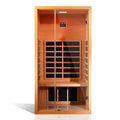
Evening can also work if it helps you shift into recovery mode. A fresh bottle after an infrared sauna or before a quiet wind-down routine can reinforce a sense of stillness. Just be mindful of total fluids close to bed if nighttime bathroom trips disrupt your sleep.
How Much Hydrogen Water Should You Drink?
There is no clinically established daily intake that applies to everyone. Research protocols differ substantially in both dissolved hydrogen concentration and volume consumed, which makes universal dosing claims unreliable.
A sensible home approach is to begin with one standard bottle serving daily and assess how naturally it fits your life. If your product is designed for multiple cycles or servings per day, you may choose to use it more often, provided you stay within the manufacturer’s operating guidance and maintain normal hydration habits.
More is not automatically better. The goal is not to force excessive water intake or turn a recovery tool into a source of anxiety. A repeatable ritual you can sustain is more valuable than an aggressive protocol you abandon after a week.
Build It Into a Complete Recovery Practice
Hydrogen water works best as a cue for broader discipline. A morning serving can sit beside protein-forward nutrition and daylight exposure. A post-training serving can follow mobility work, adequate calories, and a deliberate cool-down. An evening serving can pair with lower lighting, reduced screen exposure, and a consistent sleep schedule.
That integration is where premium home wellness equipment becomes meaningful. The value is not only in a single modality. It is in making high-quality recovery accessible enough to repeat. HALOR approaches hydrogen water in that spirit: as a refined, practical tool within a home longevity environment built around consistency.
Keep your expectations proportionate. You may appreciate the convenience, the taste of fresh water, and the structure it brings to your hydration routine. Claims around performance, inflammation, energy, or skin should be viewed through the lens of evolving evidence and individual response. Track what is measurable in your own life, such as training readiness, total water intake, and adherence to your recovery habits, rather than relying on vague impressions alone.
Care, Cleaning, and Storage Matter
A well-maintained bottle protects both the experience and the equipment. Empty it after use if your manufacturer recommends it, rinse it with clean water, and allow it to dry appropriately. Follow the specified cleaning frequency, especially if you use filtered water that may still leave mineral residue over time.
Avoid adding lemon, electrolyte mixes, collagen, or pre-workout directly to a hydrogen generator unless the product guide explicitly permits it. These additions may be useful in another bottle, but they can create buildup and complicate cleaning in a specialized device. Make hydrogen water first, drink it fresh, then use a separate vessel for supplements or flavored hydration.
Store the bottle clean, dry, and protected from unnecessary heat. Recharge it as directed, and do not attempt to modify the unit or use unapproved charging equipment. Premium wellness hardware should feel calm to own. Clear care habits are what keep it that way.
What to Watch for When You Start
Hydrogen water is generally approached as ordinary water with dissolved hydrogen, but personal health context still matters. If you are pregnant, managing kidney, heart, or fluid-balance conditions, or have been advised to limit fluids, speak with a qualified clinician before materially changing your hydration routine. The same applies if you are considering hydrogen water for a specific medical concern.
Be skeptical of promises that sound absolute. A low oxidation-reduction potential reading, for example, does not by itself prove a health outcome. Device quality, hydrogen concentration, water quality, freshness, and consistent use all matter, and the science does not support presenting hydrogen water as a cure.
The most effective routine is often the least dramatic: clean water, freshly prepared, at a time you can keep. Let that small act become a reliable transition into training, recovery, or quiet focus - a daily signal that your long-term health is being handled with intention.