
Is Hydrogen Water Legit? What the Science Says
A hydrogen water bottle can look like another wellness accessory until it becomes part of a disciplined routine: fill it, generate, drink, repeat. But is hydrogen water legit when the claims range from sharper recovery to healthier aging? The honest answer is more measured than the marketing. Molecular hydrogen is a real compound with plausible biological activity, and early human research is promising. It is not, however, a substitute for sleep, training, nutrition, medical care, or the foundations of long-term health.
For people who already treat recovery as a deliberate practice, hydrogen water may have a place as a low-friction addition. The key is understanding what it can reasonably offer, what remains unproven, and how to identify equipment that produces hydrogen consistently.
What hydrogen water actually is
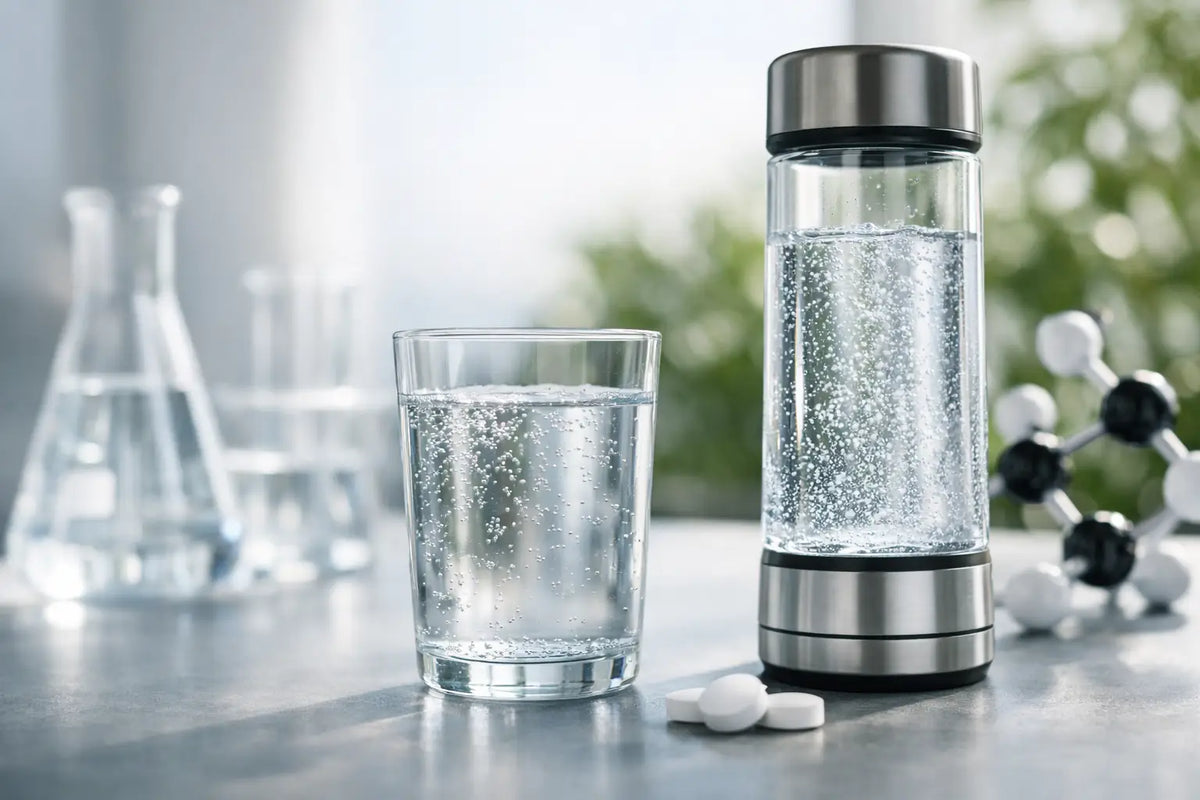
Hydrogen water is regular drinking water infused with molecular hydrogen gas, written as H2. It is not hydrogen peroxide, alkaline water, or water with added minerals. H2 is a small, neutral gas that dissolves in water and is typically consumed shortly after it is generated because it dissipates over time.
The theory behind hydrogen water is not that it hydrates better in the conventional sense. Its proposed value lies in molecular hydrogen's ability to move readily through cell membranes and potentially influence oxidative stress and inflammatory signaling. During intense training, travel, poor sleep, and periods of high workload, these processes can be relevant to how the body feels and recovers.
That said, oxidative stress is not simply an enemy to erase. It also plays a normal role in cellular signaling and adaptation to exercise. The goal is not to blunt every signal. It is to support a recovery environment that lets the body adapt without unnecessary physiological strain.
Is hydrogen water legit according to research?
Yes, in the narrow and meaningful sense that molecular hydrogen has been studied in humans and its effects are scientifically plausible. No, if “legit” means it has been proven to deliver dramatic, universal outcomes for every person who drinks it.
Human trials have explored molecular hydrogen across a broad range of settings, including exercise recovery, metabolic markers, fatigue, inflammation, cognitive performance, and certain clinical conditions. Some studies report favorable changes in markers associated with oxidative stress, muscle fatigue, blood lipids, glucose regulation, or perceived recovery. A few small studies in active individuals have also suggested potential benefits for exercise-induced fatigue and performance-related measures.
The limitation is scale and consistency. Many available studies are small, short in duration, and use different doses, delivery methods, participant populations, and outcome measures. Some measure biomarkers rather than outcomes a person can clearly feel in daily life. Others are conducted in specific patient groups, so their results should not be assumed to apply to a healthy, high-performing adult.
This is where a mature wellness approach matters. Hydrogen water is best viewed as an emerging modality with a favorable convenience profile, not a finished scientific verdict. It may support parts of a recovery routine, but the evidence does not justify claims that it cures disease, reverses aging, detoxifies the body, or replaces clinical treatment.
Why the experience can feel meaningful
The body often responds most noticeably to consistency rather than a single intervention. A person who begins drinking hydrogen water may also become more intentional about hydration, morning light, post-training nutrition, and recovery windows. Those shifts matter, and they can make it difficult to isolate the effect of the water itself.
There is also a practical benefit to choosing a ritual you will actually maintain. Unlike a complicated protocol, drinking water is already embedded in the day. If hydrogen water encourages more consistent hydration around training, sauna sessions, work travel, or a demanding schedule, that alone can make it a useful addition.
For some users, the appeal is its light footprint. It requires no stimulant cycle, no major time commitment, and no difficult recovery session. It can fit before a workout, after heat exposure, or during an afternoon reset without competing with the rest of a performance-focused schedule.
The trade-off is that any benefit may be subtle. This is not a modality designed to create the immediate sensory contrast of cold immersion or infrared heat. Its value, if it is there for you, is more likely to emerge over weeks of steady use alongside strong fundamentals.
Product quality determines whether the ritual is credible
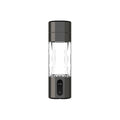
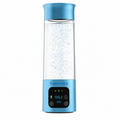
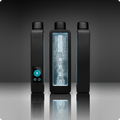
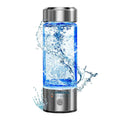
Not every product sold as a hydrogen water bottle delivers the same result. Because hydrogen is volatile, the details of generation, storage, and use matter. A bottle that makes visible bubbles is not automatically producing a meaningful dissolved-hydrogen concentration.
Look for a system that clearly states its hydrogen output in parts per million or milligrams per liter and explains the testing method behind that number. Concentration claims should be treated with care, especially when they are unusually high or presented without context. The amount measured at the time of generation can differ from the amount remaining when you drink it.
The technology also matters. Quality systems commonly use electrolysis and a proton exchange membrane, often called PEM technology, to separate gases during production. This is intended to help minimize unwanted byproducts. Water-contact materials should be durable and appropriate for repeated use, and the brand should provide clear cleaning guidance and meaningful warranty support.
Oxidation-reduction potential, or ORP, is frequently used in hydrogen water marketing. It can be a useful supporting measurement, but it is not a stand-alone proof of dissolved hydrogen content or real-world health outcomes. Transparent output specifications, credible quality controls, and practical product support are stronger signals than a single dramatic metric.
For a premium home wellness setup, reliability is part of efficacy. The right bottle should make daily use easy enough to become automatic, while giving you confidence that the modality is being delivered as intended. That is why HALOR approaches hydrogen water as one component in a considered home recovery system, rather than a miracle product in isolation.
How to use hydrogen water with realistic expectations
Follow the device instructions first, particularly for water type, generation time, cleaning, and storage. Many systems perform best with filtered water and are designed for you to drink the water soon after the cycle is complete. Letting freshly generated water sit open for hours works against the purpose because dissolved hydrogen gradually escapes.
A useful starting point is to build it into a moment you already own. Drink it in the morning before your first coffee, after training, following a sauna session, or while transitioning out of a high-demand workday. Choose one or two consistent windows rather than treating it as another task to optimize all day.
Give the practice enough time to assess it fairly. Two to four weeks of steady use is more informative than a single day, especially if your routine, training volume, and sleep are relatively stable. Track the signals that matter to you: hydration consistency, subjective energy, next-day training readiness, soreness, mental clarity, and adherence to your broader recovery plan.
Avoid stacking expectations so high that ordinary variability becomes disappointing. A hard training block, poor sleep, alcohol, travel, illness, and inadequate calories can all overwhelm any modest benefit from a hydration modality. Hydrogen water works best as supporting structure around the non-negotiables: quality sleep, resistance and cardiovascular training, protein and whole-food nutrition, stress management, and regular medical care.
Safety and the right level of caution
Molecular hydrogen in drinking water is generally considered well tolerated in the quantities used in research, and it does not contain calories, stimulants, or added sugar. Still, “generally well tolerated” is not the same as universally appropriate or clinically proven for every purpose.
If you are pregnant, nursing, managing a medical condition, or taking medication for a chronic disease, discuss any new wellness protocol with your clinician. The same applies if you are considering hydrogen water because of a specific symptom or diagnosis. It should complement professional care, never delay it.
Be especially skeptical of products that use disease-treatment language or promise exceptional outcomes without discussing dose, device design, limitations, or research quality. Refined wellness is not built on exaggerated certainty. It is built on good tools, repeatable practices, and enough humility to let evidence lead.
Hydrogen water earns consideration because the underlying science is real, the ritual is simple, and the downside is typically low when a well-made device is used properly. Keep the expectation proportional: make your fundamentals excellent, use hydrogen water consistently if it fits your routine, and let the quiet signals of better recovery guide the decision.